Timothy Newfield
EUROpest Principal Investigator, Team Lead
Georgetown University
Researcher Profile
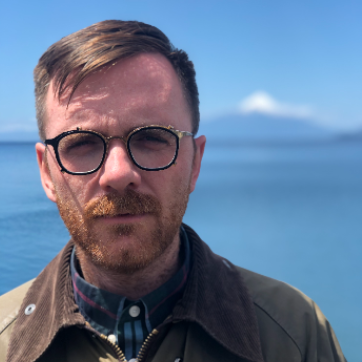
Dr. Timothy Newfield is interested in careful science-infused histories of disease and environmental change. Plague’s past, along with that of malaria, measles, rinderpest and smallpox, have been (and remain) the primary foci of his research, though the history of short-term climate anomalies and subsistence crises have piqued his interest since he realized it was possible to write histories about them. Teaching infectious disease history and global health for ten years, respectively in History and Biology at Georgetown University, has seen him broaden the geography and chronology of his research. While trained initially as a European medievalist, with degrees from York University, the University of Toronto, and McGill University, he is now as comfortable discussing the eradication of smallpox, the last 50 years of Ebola spillovers and the modern evolutionary history of foot-and-mouth disease, as he is the medieval geography of malaria, the Great European Famine and first- and second-plague pandemic historiography.
It was mainly during the 5.5 years he spent postdoc’ing (University of Ann Arbor, University of Stirling, Princeton University) that he began to engage critically with the so-called sciences of the human past. Cold-calling / emailing specialists, going to unfamiliar conferences or workshops, developing collaborations and listening to and learning from specialists helped set him on a new path, one that deviates from what historians traditionally do but that nonetheless allows for robust reconstructions of the past. Through the the Climate Change and History Research Initiative, founded by John Haldon more than a decade ago, he has co-organized nearly ten intensive crash courses for junior historians in palynology, paleogenetics and subfields of paleoclimatology meant to break down disciplinary barriers and help young scholars build their literacy in fields not normally taught in History departments. Tim is at home in the fuzzy, poorly defined areas between disciplines. In those spaces, he believes, we stand to advance considerably our understanding of what’s already happened — sometimes corroborating existing thinking, sometimes throwing it out the window, sometimes raising ideas inconceivable without the integration of multiple disciplines. It is for this reason that he is as thrilled as he is to co-direct EUROpest.
List of Relevant Publications:
2022 Palaeoecological data indicates land-use changes across Europe linked to spatial heterogeneity in mortality during the Black Death pandemic. Nature Ecology & Evolution 6:297-306.
Authors
Izdebski, A., P. Guzowski, R. Poniat, L. Masci, J. Palli, C. Vignola, M. Bauch, C. Cocozza, R. Fernandes, F. C. Ljuyngqvist, T. Newfield, A. Seim, D. Abel-Schaad, F. Alba-Sánchez, L. Björkman, A. Brauer, A. Brown, S. Czerwiński, A. Ejarque, M. Fiłoc, A. Florenzano, E. D. Fredh, R. Fyfe, N. Jasiunas, P. Kołaczek, K. Kouli, R. Kozáková, M. Kupryjanowicz, P. Lagerås, M. Lamentowicz, M. Lindbladh, J. A. López-Sáez, R. Luelmo-Lautenschlaeger, K. Marcisz, F. Mazier, S. Mensing, A. M. Mercuri, K. Milecka, Y. Miras, A. M. Noryśkiewicz, E. Novenko, M. Obremska, S. Panajiotidis, M. L. Papadopoulou, A. Pędziszewska, S. Pérez-Díaz, G. Piovesan, A. Pluskowski, P. Pokorny, A. Poska, T. Reitalu, M. Rösch, L. Sadori, C. Sá Ferreira, D. Sebag, M. Słowiński, M. Stančikaitė, N. Stivrins, I. Tunno, S. Veski, A. Wacnik, and A. Masi
2022a One plague for another? Interdisciplinary shortcomings in plague studies and the place of the Black Death in histories of the Jusinianic Plague. Studies in Late Antiquity 6(4):575-626.
Authors
Stathakopoulos, D., T. P. Newfield, E. Xoplaki, J. Haldon, M. Keller, N. Roberts, C. Bourbou, L. Mordechai, C. Paulus, I. Grimm-Stadelmann, E. Hartmann, J. Luterbacher, N. Luther, K. Sessa, D. Slootjes, and M. Zhang
List of Relevant Publications:
Izdebski, A., P. Guzowski, R. Poniat, L. Masci, J. Palli, C. Vignola, M. Bauch, C. Cocozza, R. Fernandes, F. C. Ljuyngqvist, T. Newfield, A. Seim, D. Abel-Schaad, F. Alba-Sánchez, L. Björkman, A. Brauer, A. Brown, S. Czerwiński, A. Ejarque, M. Fiłoc, A. Florenzano, E. D. Fredh, R. Fyfe, N. Jasiunas, P. Kołaczek, K. Kouli, R. Kozáková, M. Kupryjanowicz, P. Lagerås, M. Lamentowicz, M. Lindbladh, J. A. López-Sáez, R. Luelmo-Lautenschlaeger, K. Marcisz, F. Mazier, S. Mensing, A. M. Mercuri, K. Milecka, Y. Miras, A. M. Noryśkiewicz, E. Novenko, M. Obremska, S. Panajiotidis, M. L. Papadopoulou, A. Pędziszewska, S. Pérez-Díaz, G. Piovesan, A. Pluskowski, P. Pokorny, A. Poska, T. Reitalu, M. Rösch, L. Sadori, C. Sá Ferreira, D. Sebag, M. Słowiński, M. Stančikaitė, N. Stivrins, I. Tunno, S. Veski, A. Wacnik, and A. Masi