Palaeoecology
Paleoecology is a broad set of methods used to reconstruct past landscapes and ecosystems. These methods combine the approaches of geography, geology, physics, chemistry, and biology. Palaeoecology investigates material preserved in natural archives – such as lakes, wetlands, peatlands, caves, and marine environments, to name the most important ones. These natural archives are basically places where organic and inorganic matter can accumulate over time, building sedimentary sequences. As sediments accumulate over time, each layer records a distinct period in the past, containing in itself the chemical and biological signal of the surrounding landscape at the time of deposition.
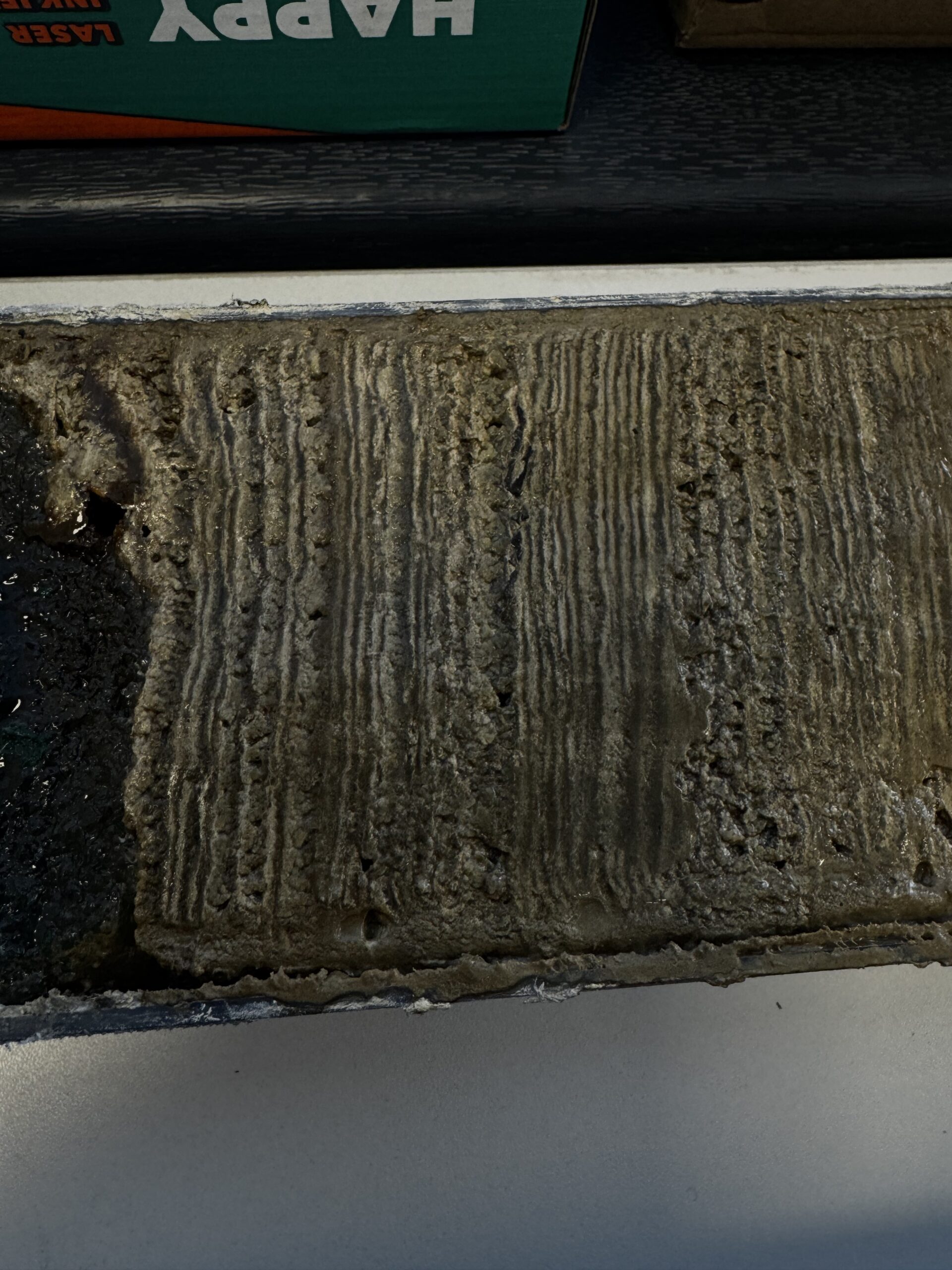
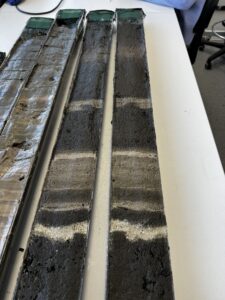
There are a variety of methods that are used for reading the past from the sediments. In EUROpest, we will rely on lake and peat sediment: extracting long columns of sediments (core) from the bottom of the lake or from within a peatland, usually up to 10 cm in diameter and several meters in length. These cores gives us a snapshot across all the layers of the sediments back to a certain point in time, depending on coring depth, and provides material for a broad variety of analyses. In EUROpest, we will apply in particular one of the most labour-intensive but also most versatile methods: palynology. Palynology is the study of pollen grains: microscopic structures produced by plants in the process of reproduction, enabling the transfer of genetic material from one plant to another. Grains of almost all the plants living in the past around our natural archive are transported by wind and rainwater into that lake or peatland, where it becomes incorporated into sediments. The relative abundance of the pollen of different plants reflects the diversity of the surrounding vegetation at any given moment in time. Because pollen grains have different shapes depending on the plant which produces them, they can be identified and counted, often to genus or family level.
EUROpest will to a large extent rely on the existing data from hundreds of sites across Europe, but it will also produce new data, in particular from Eastern Europe (Lithuania, Ukraine, and Poland). This data will be used to study landscapes around a given site, but more importantly to reconstruct the dynamic changes in the landscape in the entire region we study – and which we also research with the help of the other methods, historical, climatological, and bioarcheological, in parallel.
The palaeoecological evidence will allow us to address two main questions: on the one hand, we need to know what the landscape and particular ecosystems looked like at the moment when a given pathogen – infectious disease – arrived into a given region. We expect to find out an interplay of climatic variability, landscape characteristics, and the pathogen’s potential to inflict demographic losses and health crises on the regional population. On the other hand, we want to see how the landscape changed after the epidemic: whether there occurred a recovery of wild vegetation – suggesting a profound demographic and economic crisis – or there was no significant change, or perhaps a quick recovery. Thus, palaeoecology lies at the heart of EUROpest, closely interwoven in particular with our historical and climatological research.